Simple Microphone: A Unique Tool for Capturing Sound and Creativity
The Role of Simple Microphone in Modern Audio Production
In today’s digital age, the Simple Microphone has emerged as a versatile and accessible tool for both professionals and enthusiasts alike. Whether you're recording voiceovers, podcasting, or capturing live performances, the simplicity of this microphone makes it an ideal choice for a wide range of applications. Its design focuses on delivering clear audio without unnecessary complexity, making it perfect for users who value efficiency and quality.
What sets the Simple Microphone apart is its ability to blend seamlessly into various environments. From home studios to outdoor events, its adaptability ensures that users can capture sound with ease. This makes it particularly popular among content creators, educators, and hobbyists who need reliable audio input without the burden of complicated setups.
Introducing a Charming Handwritten Display Font
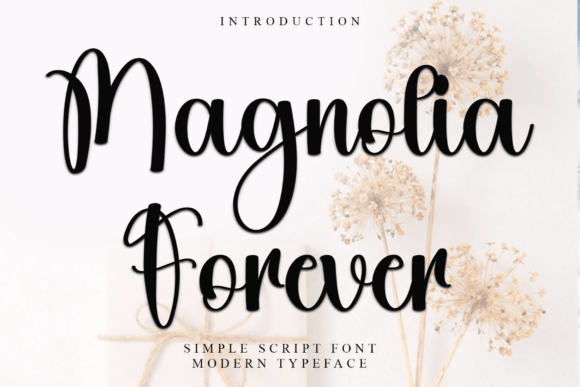
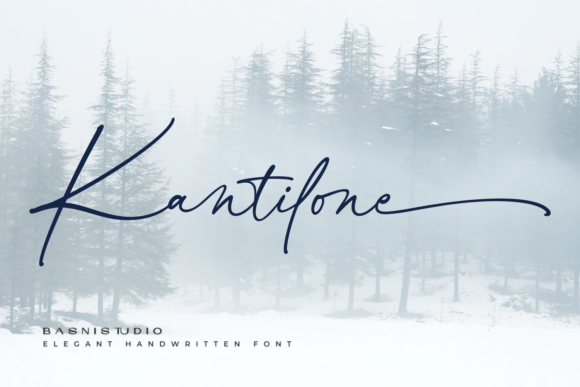
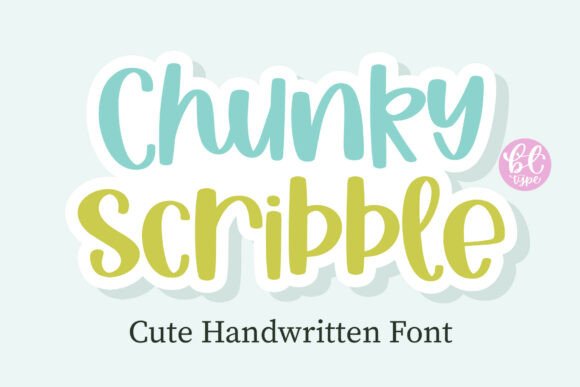
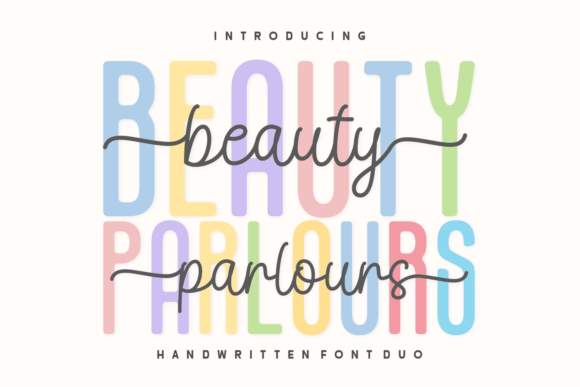
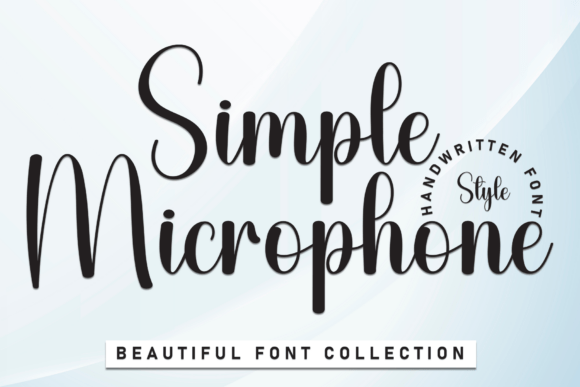
While the Simple Microphone is a tool for capturing sound, another unique element that enhances creative expression is the use of a charmingly delightful handwritten display font. This font brings a sense of warmth and sweetness to any text, making it an excellent choice for wedding invitations, greeting cards, and other design projects that require a personal touch.
The handwritten font adds a whimsical and inviting feel to typography, transforming ordinary text into something captivating. It's particularly well-suited for designs that aim to evoke emotion and connection, such as personalized thank-you notes or promotional materials with a friendly tone.
Why Choose a Handwritten Display Font?
- Uniqueness: The font stands out from standard typefaces, offering a distinct visual identity that can make your designs more memorable.
- Emotional Appeal: Its hand-drawn style conveys sincerity and authenticity, which can be especially effective in marketing and communication contexts.
- Versatility: While primarily used for invitations and greetings, the font can also be adapted for logos, social media posts, and even web headers to add a touch of personality.
Practical Applications of the Simple Microphone and Handwritten Font
Combining the functionality of the Simple Microphone with the aesthetic appeal of a handwritten font opens up a world of creative possibilities. For instance, a podcast host might use the microphone to record their show while incorporating the font into their website or promotional materials to create a cohesive brand identity.
Educators can benefit from using the microphone to create engaging video lessons and then applying the font to title slides or handouts, giving their materials a more approachable and friendly appearance. Similarly, business owners looking to build a strong online presence can use both tools to enhance their content and branding efforts.
Real-World Examples
Consider a small bakery that wants to launch a new line of custom cakes. They could use the Simple Microphone to record customer testimonials and then apply the handwritten font to their packaging and social media posts. This combination not only captures authentic voices but also creates a visually appealing brand image that resonates with customers.
Another example is a wedding planner who uses the microphone to conduct interviews with couples and then designs invitations using the handwritten font. This approach helps to create a seamless experience that feels personal and heartfelt.
Advantages of Using These Tools Together
The synergy between the Simple Microphone and the handwritten font lies in their shared emphasis on simplicity and emotional connection. Both tools allow users to focus on the core message—whether it's a spoken word or a written phrase—without being distracted by technical complexities or generic visuals.
Additionally, these tools are cost-effective solutions for individuals and businesses looking to elevate their projects without breaking the bank. The microphone offers high-quality audio at an affordable price, while the font provides an artistic enhancement that doesn’t require advanced graphic design skills.
Considerations for Implementation
While both the Simple Microphone and the handwritten font offer numerous benefits, there are a few considerations to keep in mind. For the microphone, factors like room acoustics, placement, and background noise can affect the final recording. Users should experiment with different settings to achieve the best possible sound quality.
Regarding the font, it’s important to ensure that it remains legible across various platforms and devices. While the handwritten style is visually appealing, it may not be suitable for all types of text, especially those requiring strict formatting or readability standards.
Enhancing Creativity Through Technology and Design
Ultimately, the Simple Microphone and the handwritten font represent two sides of the same creative coin. One focuses on capturing sound, while the other enhances visual storytelling. Together, they provide a powerful toolkit for anyone looking to express ideas in a meaningful and engaging way.
Whether you're a professional seeking to streamline your workflow or a hobbyist exploring new creative avenues, these tools offer opportunities to innovate and connect with your audience on a deeper level. By embracing simplicity and charm, you can turn everyday tasks into extraordinary experiences.